
Leading Glue Production Line Equipments Manufacturer.
Tel: +86 181 3837 3963 | jctben@mixmachinery.com
Tel: +86 181 3837 3963 | jctben@mixmachinery.com

 JCT
JCT
 Dec 09,2025

| Type | Basic Components | Characteristics |
| Oil-based glue | Resin+organic solvent (e.g., toluene, acetone) | Volatile curing, strong odor |
| Water-based glue | Polymer emulsion with water as the dispersion medium (e.g., PVA, VAE, acrylic) | Low VOC, no irritating odor |
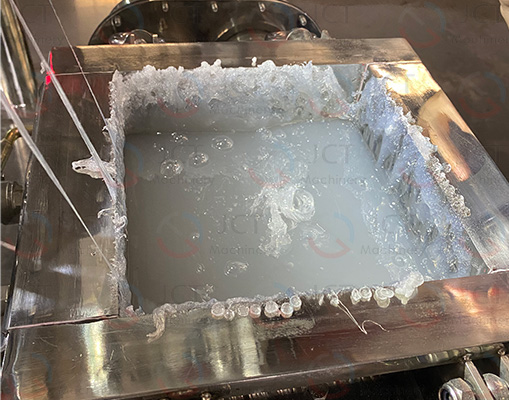
1. Bonding Strength
Oil-based glue: High strength, strong initial tack, difficult to replace.
Water-based glue: Stable strength, suitable for porous materials.
2. Water and Weather Resistance
Oil-based glue: Better water resistance, high temperature resistancem and aging resistance.
Water-based glue: Slightly weaker water resistance, requires modification or addition of crosslinking agents.
3. Curing Speed
Oil-based glue: Fast curing (rapid solvent evaporation).
Water-based glue: Slow curing, requires specific drying conditions.
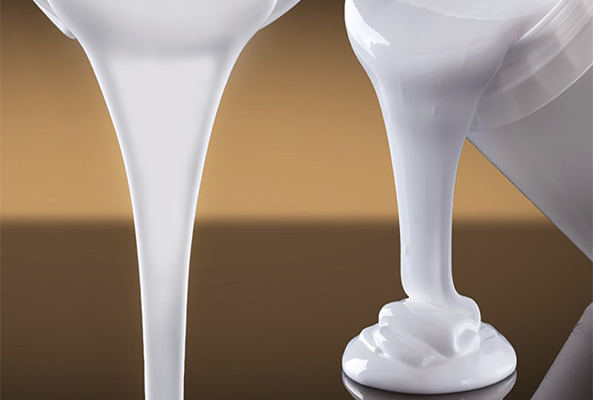
| Oil-based Glue | Water-based Glue | |
| VOC emission | High | Low |
| Odor | Strongly irritating | Very odorless |
| Flammability | Flammable | Non-flammable |
| Environmental regulations | Increasingly stringent | Environmentally friendly products |
Oil-based glue is commonly used in:
→ Suitable for applications requiring high strength and weather resistance.
Water-based glue is commonly used in:
→ Suitable for indoor, environmentally friendly, and absorbent bonding materials.
The choice of which adhesive to use depends on your product performance requirements, environmental regulations, and application scenarios.
Technical Support: Magic Lamp - Website


 Home
Home Tire Repair Sealant Production Line Project
  +86 18138373963
 jctben@mixmachinery.com


